Published by:
CGP EDU Academic Team
Published on: August 14, 2026
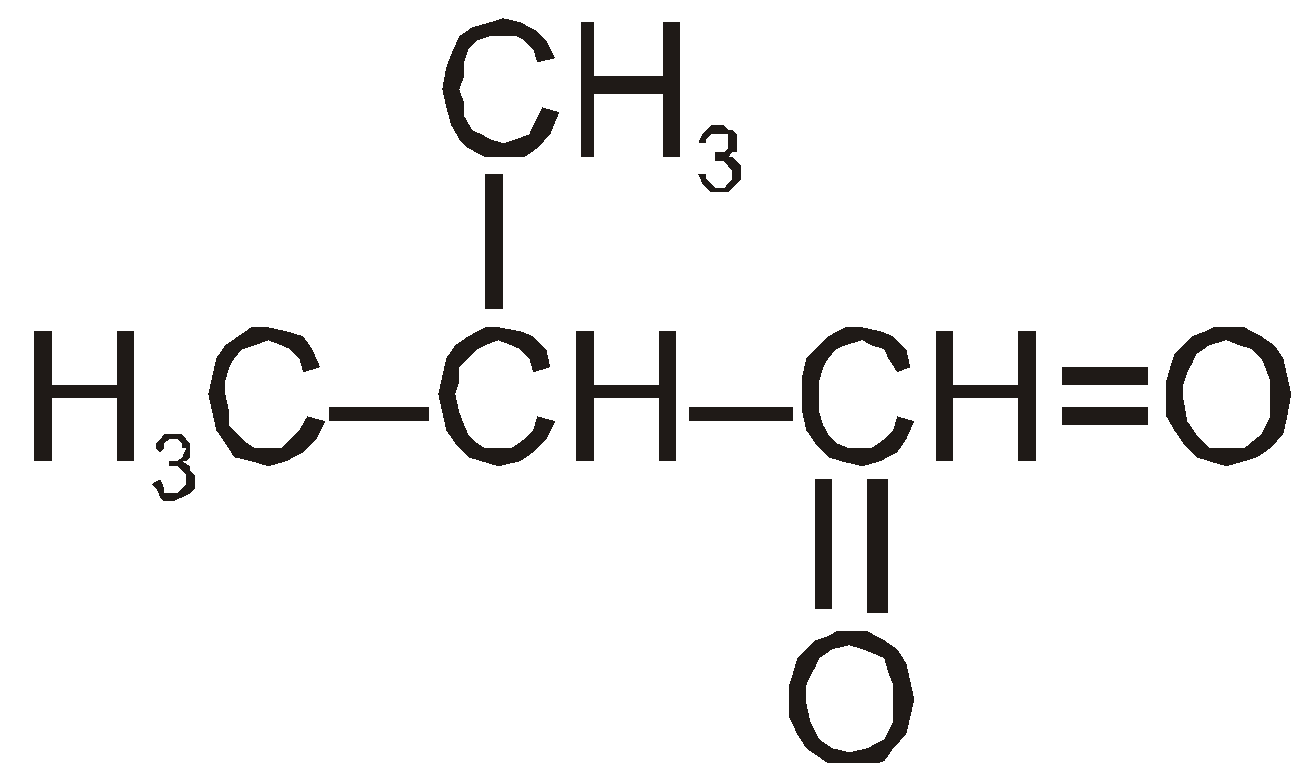
Three acyclic alkenes (x, y, z) on catalytic hydrogenation give same alkane. On reaction with HCl, (x, y, z) form same major tertiary halide product. Reductive ozonolysis of mixture of (x, y, z) gives a mixture of two moles of CH 2 =O one moles of CH 3 CH=O one mole of acetone, one mole of butanone and one mole of 2-methyl propanal. x, y and z do not have any stereoisomers.
(i) x, y, z are
Correct Answers for Comprehension Sub-Questions
Text Solution
Verified by ExpertsThe correct answer is:
CHECK THE SOLUTION.
(i) b (ii) b
(iii)d 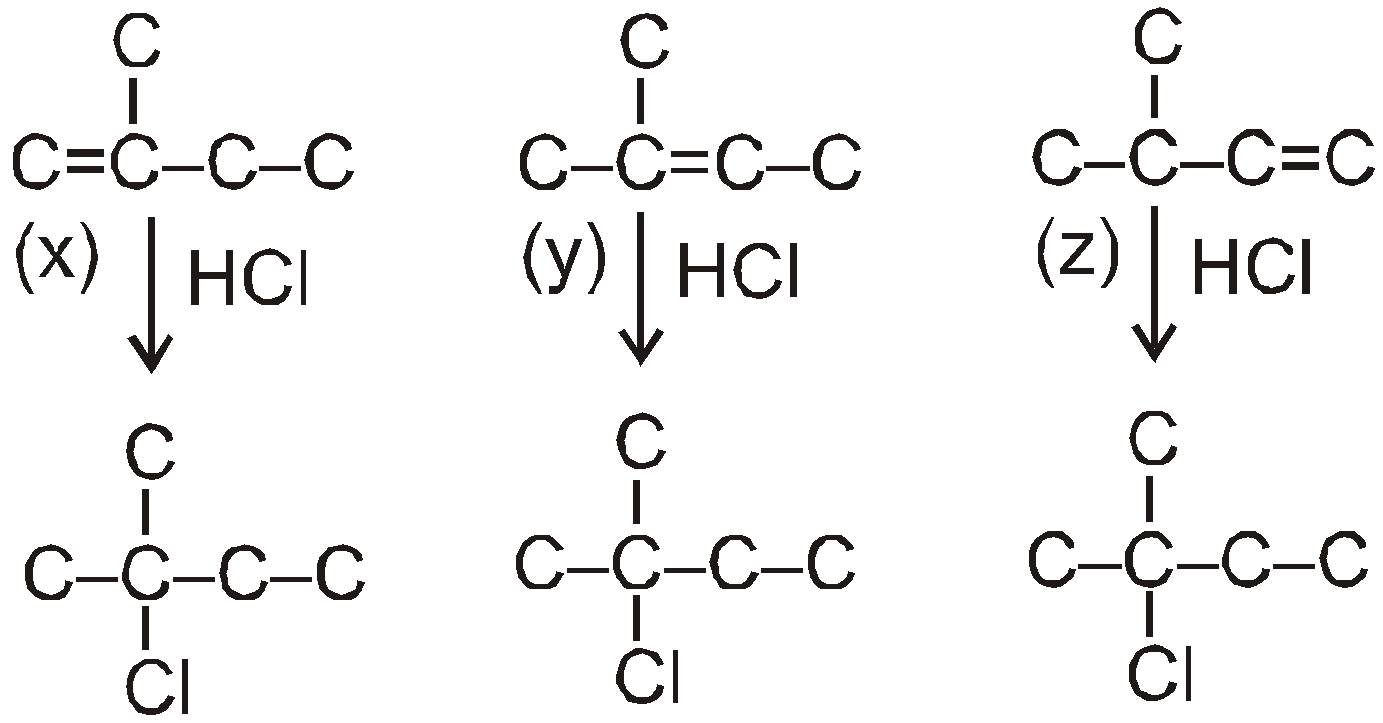
(x,y,z)  CH 2 =O + CH 3 –CH=O + (CH 3 ) 2 C=O
(x,y,z)  Same alkane +
 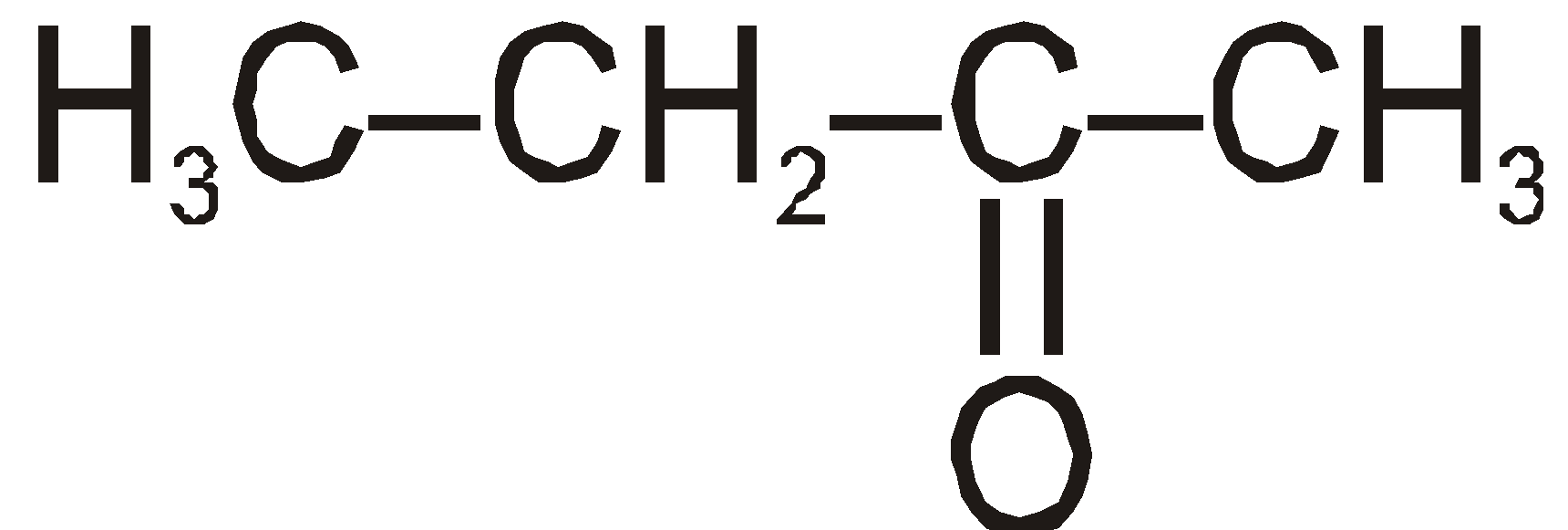 +
+ 
Prepare Smarter with CGP Edu
Get practice questions, solutions, and test series in one place.
Write a Review
Share your experience with this question and solution.
Commentary
Send your comment, doubt, correction, or feedback to admin.
Similar Questions
Explore conceptually related problems
Normally, benzene gives electrophilic substitution reaction rather than electrophilic addition reac…
Which of the following Benzene rings contain deactivating groups ?
Which of the following Benzene rings contain o–p directing groups ?
Arrange the following in decreasing order of their reactivity with an electrophile.
(I)(II)(III)(a)…
Why following organic chlorides will not give a Friedel-Craft alkylation product when heated with b…
How do you account for formation of ethane during chlorination of methane ?